
In our increasingly digital world, where keyboards and touchscreens dominate, it’s easy to overlook the simple yet essential tool that has been a part of our lives for centuries – the pencil. This unassuming writing instrument has a rich history and a wide range of uses, making it a fascinating subject for exploration. Let’s delve into the world of pencils, from their origins to their modern-day applications.
The Origin of the Pencil
The history of the pencil dates back to ancient times, with early civilizations like the Egyptians and Romans using metal styluses to make marks on papyrus and wax tablets. However, the modern pencil as we know it has its roots in the 16th century.
Conrad Gessner, a Swiss naturalist, is often credited with introducing the term “pencil” in 1565 when he described a device made of a small piece of graphite encased in wood. Graphite, a naturally occurring form of carbon, was a game-changer as it allowed for smoother and darker markings than previous materials.
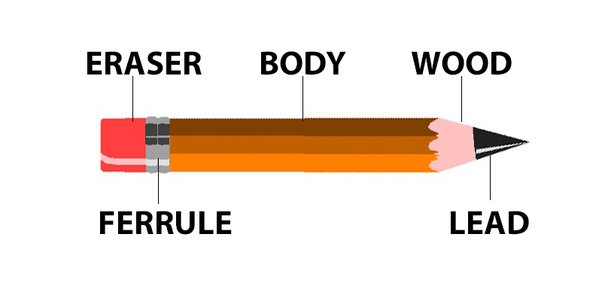
The Pencil’s Anatomy
A typical pencil consists of several key components:
1. Graphite Core: This is the heart of the pencil, responsible for creating the marks. The hardness or softness of the core determines the darkness of the lines it produces.
2. Wooden Casing: Most pencils have a wooden casing that protects the fragile graphite core. Cedar wood is commonly used for this purpose due to its smooth texture and durability.
3. Eraser: Many pencils come with a small eraser at the end for correcting mistakes. However, these erasers are often not very effective and are usually used as a last resort.
Types of Pencils
Pencils come in various types, each designed for specific tasks:
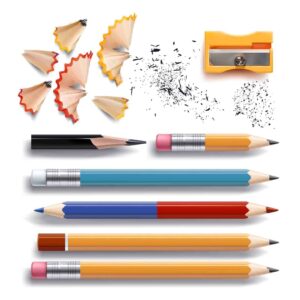
1. Standard
Wooden Pencils: These are the everyday pencils used for writing, drawing, andsketching. They come in a range of hardness grades, from 9H (hard and light) to 9B (soft and dark). We will blog more on pencil grades on our next post!
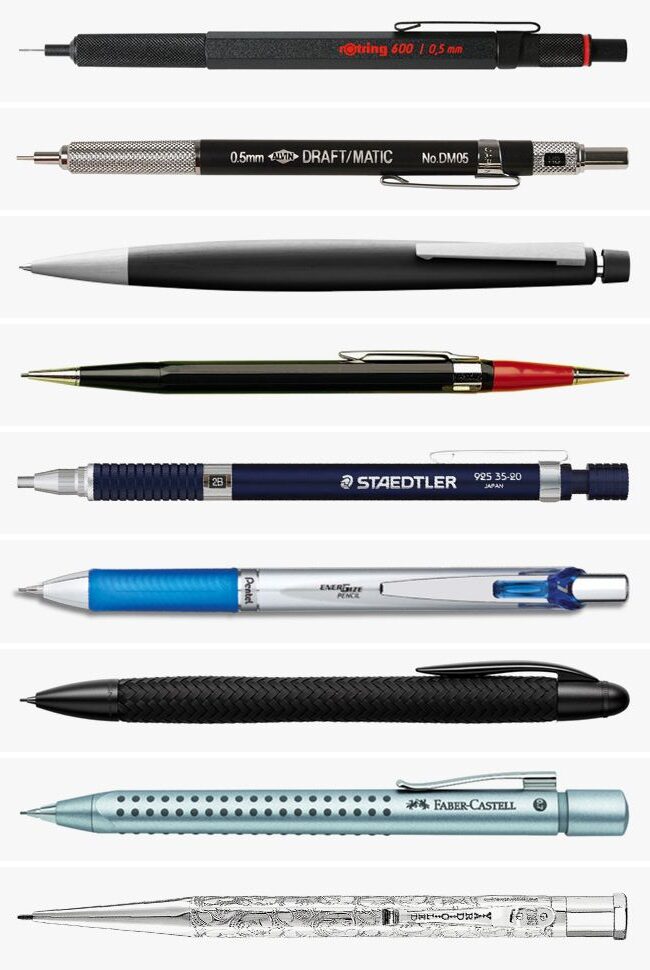
2. Mechanical
Pencils: Unlike standard pencils, mechanical pencils have a refillable lead that can be advanced with a click or a twist. They are favoured for their precision and longevity.
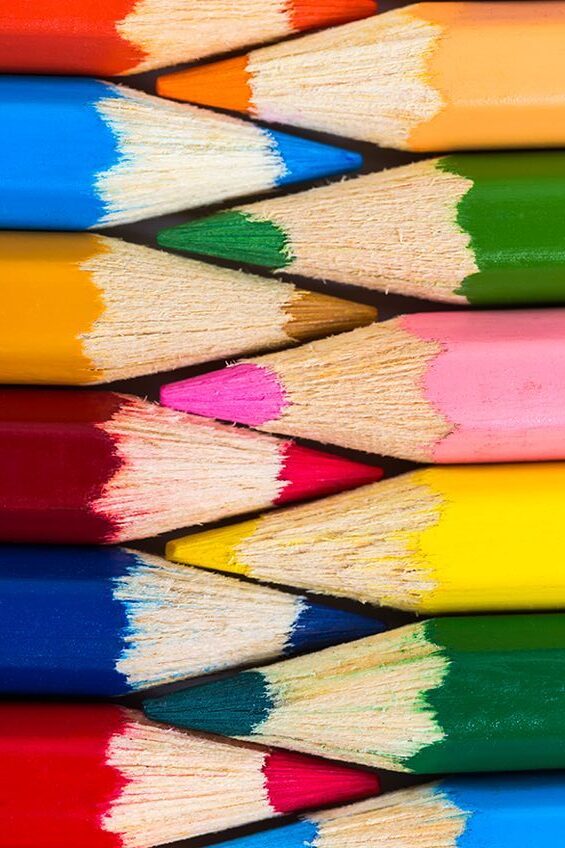
3. Coloured Pencils: These are used for artistic purposes and come in a wide array of colours. They are a staple in the world of colouring books and art projects.
4. Carpenter’s Pencils: Designed for rough work, carpenter’s pencils have a rectangular shape to prevent rolling and produce bold lines that are easily visible on wood or other materials.
Modern Applications
Pencils have a timeless quality, but they continue to find a place in our modern world. Here are some of their applications:
1. Education: Pencils are a must-have in schools and are often used for note-taking and test-taking.
2. Art: Many artists, from beginners to professionals, still prefer pencils for sketching and shading due to their versatility.
3. Engineering and Drafting: Precision is key in engineering and architectural drawings, making pencils, especially mechanical ones, indispensable tools.
4. Carpentry:
Carpenter’s pencils are used in construction and woodworking for marking measurements and guidelines.
Conclusion
In an age of digital innovation, the pencil stands as a timeless symbol of human ingenuity. Its history, versatility, and enduring presence in various aspects of our lives make it a tool worth celebrating. Whether you’re a student, an artist, an engineer, or simply someone who loves to jot down thoughts, the
humble pencil is a reliable companion, ready to help you express yourself in the most classic and personal way. So, the next time you reach for a pencil, take a moment to appreciate its rich history and the countless stories it has helped write over the centuries.
Explore our pencil collection here !
YY